
Mastering German Greetings: A Comprehensive Guide


Intro
When it comes to languages, the first impression counts, especially through greetings. German, with its rich history and diverse cultural contexts, offers more than just a simple "Hallo." Understanding the variety in greetings not only opens doors for conversation but also provides insight into the culture itself. German greetings shift dramatically based on factors such as formality, regional use, and the relationship between speakers.
This guide will dive into the different expressions, uncovering not only what to say but when and how to say it. Whether you’re a parent wanting to teach your child the basics or an educator looking for effective methods to instill language skills in young learners, you'll find the information here invaluable. Each section aims to build a comprehensive understanding of the nuances behind these pivotal social interactions, making this guide a go-to resource for mastering German greetings.
From informal acquaintances to formal meetings, the phrases you use set the stage for your interactions. The structure of our guide delves into the various types of greetings and their appropriateness in different settings, aiming to empower readers to navigate these conversations with confidence and ease. Expect to learn common phrases, regional variations, and creative tips to make learning engaging and effective.
Let’s kick off this journey into the world of German greetings, a crucial first step in establishing meaningful connections.
Prelude to German Greetings
When it comes to language, greetings play a pivotal role in establishing relationships, fostering connections, and facilitating communication. In German, greetings aren’t merely a way to say hello or goodbye—they encapsulate social norms, cultural values, and the nature of relationships between people. This section delves into why understanding German greetings is essential for anyone looking to navigate the rich tapestry of German culture and language.
The Importance of Greetings
Greetings act as the first impression one person makes on another. This initial exchange sets the tone for any subsequent interactions. In the context of German society, where rules and etiquette hold significant weight, mastering the nuances of how to greet someone can make a world of difference. For instance, a friendly "Hallo" can warm a cold meeting, while a formal "Guten Tag" aligns perfectly with professional settings.
Moreover, greetings can reveal much about one’s social standing and relationships. Understanding when to use informal and formal versions of greetings is key. It reflects respect for tradition and promotes a sense of belonging. In essence, knowing how to say hello—or the right way to bid adieu—can open doors to richer interactions.
Overview of Common Greetings
In this section, we will look at the bedrock of German greetings, focusing on everyday expressions. This exploration includes simple yet effective phrases that can be employed in numerous situations, providing the right tools for both casual encounters and more formal interactions.
- Hallo – A versatile greeting, equivalent to "hello." It can be used in nearly any relaxed situation.
- Guten Morgen – Translated as "good morning," this phrase is suitable for use until noon.
- Guten Tag – Meaning "good day," it is employed during daytime hours but feels more formal and structured.
- Guten Abend – This translates to "good evening" and should be used in the evening hours.
- Tschüss – An informal way to say goodbye, mainly used among friends and family.
- Auf Wiedersehen – A more formal farewell that can be used in various contexts, showing respect for the person you are addressing.
Understanding these expressions equips learners with a valuable arsenal of words that can bridge gaps and build connections. As we continue, the following sections will expand on basic greetings, regional variations, and teachable moments, ultimately fostering a deeper appreciation of the German language.
Basic Greetings in German
Understanding basic greetings in German is essential for anyone aiming to navigate social interactions in German-speaking countries. It serves as the gateway to communication, fostering initial connections and breaking down barriers. The first words uttered can often determine the tone of a conversation, making them a significant element in the realm of language learning. These greetings form a foundation upon which further language skills can be built, especially for children who are just starting their journey with the German language.
Thus, mastering German greetings doesn't just equip learners with phrases; it enhances their ability to engage in meaningful interactions.
Hello and Goodbye
In the German language, saying "hello" or "goodbye" is steeped in a sense of respect and acknowledgment. The most common greeting, "Hallo", is a direct translation of the English "hello" and is widely used, especially among younger generations. In more formal settings, one might opt for "Guten Tag", which means "Good Day". Understanding when to use these greetings is pertinent; casual scenarios often call for "Hallo", while more formal contexts necessitate the use of "Guten Tag".
Equally important is the farewell. "Auf Wiedersehen" translates to "goodbye" but carries a more formal tone, whereas a casual "Tschüss" or "Ciao" can be heard among friends. These simple yet effective phrases create a bridge for conversations and convey mutual respect, alerting others of your presence or absence respectfully.
"A greeting is a friendly way to invite others into your world and shows that you acknowledge their existence."
How Are You?
Once the initial greeting has been exchanged, turning to the more personal question of one’s well-being is customary. Phrases such as "Wie geht's?" (How are you?) or its more formal counterpart "Wie geht es Ihnen?" are commonly used. This inquiry helps establish a rapport, showing genuine interest in the other person's state. It's typically used following a greeting to further deepen the engagement.
Understanding the context in which these phrases are used is also vital. If you're in a casual setting, that friendly "Wie geht's?" might be perfectly at home. However, when engaging with elders or in professional environments, the formal option better reflects respect. This subtle shift in language not only demonstrates linguistic adeptness but also cultural awareness.
Formal Greetings
Formal greetings play a crucial role in establishing respect and professionalism in social interactions. They reflect the speaker's awareness of cultural nuances and the context of the conversation. In Germany, where tradition is often held in high regard, using formal greetings can set the right tone when meeting someone for the first time, attending a business meeting, or engaging in formal social gatherings.
Formal greetings provide several benefits; they help avoid misunderstandings and foster positive relationships. Using the appropriate level of formality can bridge gaps between people from different backgrounds, ensuring that all parties feel comfortable and valued. Given the importance of these expressions, understanding when and how to use them becomes indispensable, especially for parents and educators teaching children about social norms.

Appropriate Contexts for Formal Use
There are specific circumstances where formal greetings are not just recommended but expected. For instance:
- Professional Settings: In workplaces or during business introductions, using formal greetings is paramount. Phrases like "Guten Tag" (Good Day) or "Guten Morgen" (Good Morning) signal professionalism and respect.
- Meeting Authorities: When addressing older individuals or figures of authority—such as teachers, doctors, or officials—a formal greeting is crucial. This can include adding titles like "Herr" (Mr.) or "Frau" (Mrs.) before their last name.
- Official Events: At events like weddings, funerals, or state functions, formality is often the order of the day. A polite greeting such as "Es freut mich, Sie kennenzulernen" (I’m pleased to meet you) would be ideal.
Examples of Formal Greetings
Understanding specific formal greetings can greatly enhance one's ability to navigate different social situations. Here are some common phrases:
- Guten Tag: A staple among formal greetings, useful throughout the day.
- Guten Abend: Used in the evening, showing respect and acknowledgment of the time of day.
- Freut mich, Sie kennenzulernen: Meaning "Pleased to meet you," this phrase is a polite way to introduce oneself in a formal setting.
- Wie geht es Ihnen?: This translates to "How are you?" used when addressing someone formally, often inquiring about their well-being.
The essence of formal greetings lies in their ability to convey respect and allow fruitful interactions across all walks of life.
By teaching children these formal expressions, parents and educators not only equip them to communicate effectively but also instill a sense of respect for social customs—an important life skill.
Informal Greetings
Informal greetings in German are a delightful and crucial part of everyday communication, especially among friends and acquaintances. These expressions foster a relaxed atmosphere and encourage open conversation. Understanding when and how to use informal greetings can create stronger bonds and make interactions feel warmer. Informal greetings are not just about saying "hello" or "goodbye"; they convey a sense of familiarity and belonging. In this section, we’ll dive deeper into the nuances of informal greetings, from when to use them to common phrases that will make your social interactions more authentic.
When to Use Informal Greetings
Informal greetings are typically reserved for casual interactions, where the individuals involved share a level of comfort and familiarity. Here are some scenarios where informal greetings shine:
- Friends and Family: When meeting up with close friends, at family gatherings, or even daily encounters, informal phrases set a friendly tone.
- Young People: Among peers, especially those in similar age groups, informal greetings are not just normal but expected.
- Casual Environments: Think of places like parks, cafes, or social events where a laid-back attitude prevails. Using informal greetings fits perfectly in such settings.
- Digital Communication: In texts, chats, or emails to friends, informal greetings are commonplace. Emoji and playful phrases are welcomed, adding personal touches.
By being aware of these contexts, one can better navigate social situations without creating awkward moments. Using informal greetings when appropriate ensures relationships stay friendly.
Common Informal Expressions
There are several popular informal greetings in German, which can really help you connect with others. Knowing these expressions can be a game-changer for casual conversations. Here are some examples:
- Hallo: This is the German equivalent of "hello" and can be used almost universally among friends.
- Hi: A borrowed term from English, "hi" is widely accepted in informal settings and conveys a friendly approach.
- Hey: Similar to "hi," this greeting shows a relaxed vibe, great for chatting with close friends.
- Servus: Primarily used in southern Germany and Austria, it serves as both a greeting and farewell, adding a regional flair to your interaction.
- Na?: A casual way of asking "What's up?" often used among friends, promoting a sense of familiarity.
- Tschüss: This is a friendly way to say "bye" and is commonly used in informal settings.
Using these phrases can turn a simple interaction into a more warm and welcoming experience.
By incorporating such informal expressions into your daily conversations, you’ll convey both friendliness and ease. This is essential not just for fluency but for making meaningful connections with those around you.
Regional Variations in Greetings
The Importance of Regional Variations in Greetings
When diving into the world of German language and culture, grasping the regional variations in greetings becomes imperative. Why? Each region in Germany has its own unique flavor, shaped by history, culture, and local dialects. Understanding these nuances not only enriches your knowledge of the language but also enhances your interactions with native speakers. This knowledge can foster connections and allow for a deeper appreciation of cultural differences. Just like a pointillist painting, each greeting contributes to a larger picture that reflects the richness of German identity.
The benefits of studying these variations are manifold. You might find that a hello in Bavaria feels friendlier and more informal than a greeting from a business professional in Frankfurt. The consequences of misusing greetings can be more profound than simple misunderstandings; they can affect relationships and social standing. Thus, becoming aware of local customs can make the difference between making a new friend or finding yourself in an awkward encounter.
Greetings Across Germany
Germany's diverse landscape influences how people greet one another. In southern Germany, for example, you might hear "Grüß Gott!" similar to "God greet you!" as a common way to say hello, especially in Bavaria. This phrase indicates a bit of warmth and familiarity. Conversely, in the north, people often prefer to keep it simple with a straightforward "Moin!"—which translates to "Good morning!" but is used throughout the day.
Here’s a quick look at how greetings vary:
- Bavaria: "Grüß Gott!"
- Hessen: "Hallo!" or even a friendly "Moin!"
- Berlin: You might hear a casual "Na?" often in a friendly tone.
These expressions display not only linguistic variety but also a glimpse into the social fabric of the regions, showcasing how greetings can reveal underlying cultural attitudes. As a visitor, recognizing these differences can aid in making a good impression, ensuring that you're speaking the local tongue, quite literally.


Unique Phrases in Austrian and Swiss German
Traveling beyond Germany to Austria and Switzerland reveals a treasure trove of unique expressions. For instance, in Austria, instead of a standard "Hallo," you might be greeted with "Servus!"—a warm, informal welcome that shows friendliness. Similarly, in Switzerland, depending on the region, you might hear "Grüezi" (in Swiss German) or "Hoi!" when greeting someone. The differences don't end there; even the inflections and nuances in pronunciation provide insight into local culture.
Here are some unique greetings:
- Austria: "Servus!"
- Swiss German: "Grüezi!" in the Swiss diaspora.
- Bern: "Salü!"
These variations underscore how language evolves in different contexts and speaks to the heart of local identity. It's quite something, isn't it? Understanding how these phrases fit into the cultural landscape of the respective countries adds layers to the language experience.
Language is the roadmap of a culture. It tells you where its people come from and where they are going.
In sum, being mindful of regional variations when greeting others is essential for building rapport and understanding. Whether you're chatting with a Munich local or a Zurich native, using the appropriate expressions not only feeds the conversation but also enriches your experience in the German-speaking world.
Cultural Context of Greetings
Understanding the cultural context of greetings in Germany is like having a key to a treasure chest full of rich traditions and social nuances. Greetings are often the first impression one makes, setting the tone for future interactions. In a culture where formality plays a significant role, knowing how to appropriately greet someone can open doors to friendship and respect. A well-timed
Teaching German Greetings to Children
Teaching children how to greet one another in German is an important step in their language development. For many children, learning greetings isn’t just about saying "Hallo" or "Tschüss"; it’s about understanding the nuances that come with different contexts. Greetings serve as a gateway to social interaction, helping children to forge connections with others. By instilling language skills early on, parents and educators can set the stage for effective communication later in life.
Additionally, teaching German greetings lays the foundation for cultural understanding. Children can learn that the way people greet each other varies not only between languages but also within them—in various regions. They can appreciate that a friendly "Guten Morgen" in the morning is not just a simple phrase, but a way to engage with their surroundings warmly.
Strategies for Effective Learning
- Utilization of Visual Aids: Children respond well to visual stimuli. Flashcards with images that depict various greetings can stimulate memory retention. For instance, showing a picture of a sunny day with the phrase "Guten Morgen" can enhance their understanding of when to use this greeting.
- Repetition and Routine: Just like teaching any other concept, consistency is key. Incorporating greetings into daily routines can solidify their learning. For example, every morning during breakfast, parents can practice together saying "Guten Morgen".
- Role-Playing: Children often learn best through play. Create scenarios where they must use specific greetings. This could be a mock party where they greet guests, or a family reunion simulation where they practice formal and informal greetings.
"Language learning happens best in fun, engaging environments. The more a child enjoys the process, the more they will retain."
Interactive Games and Activities
Incorporating games into the learning process can make the experience both enjoyable and effective. Here are a few ideas:
- Greeting Bingo: Create bingo cards with different greetings written in each square. As you call out greetings, the children cover the corresponding square. This keeps the atmosphere lively while reinforcing their understanding of variations.
- Simon Says: A classic game with a twist. Instead of commands like "touch your nose," use greetings. When you say "Simon says, say 'Hallo!'," children will practice saying it out loud in an interactive manner.
- Greeting Chart: Use a chart where children can fill out with different greetings they learn. This can include how to say hello in different informal settings, such as with friends or family, and formal settings, such as with adults or in school settings. Display it proudly in the classroom or at home to encourage ongoing practice.
Offering these interactive opportunities not only enhances memory but also encourages a fun and engaging way to master German greetings through collective participation.
Practical Scenarios for Using Greetings
Understanding how to use greetings in practical situations is essential for anyone learning German, especially for children who are just starting to grasp the nuances of the language. Greetings form the backbone of social interactions, and mastering them opens doors to building relationships and enhancing communication skills. When children learn to greet others appropriately, it lays the groundwork for their social skills and confidence. In a classroom or at home, recognizing how and when to greet can lead to smoother encounters.
Meeting New People
One of the most common situations where greetings are crucial is when meeting new people. Imagine a child entering a party or a new classroom – the very first words exchanged can set the tone for the entire interaction. Teaching children phrases like "Hallo!" or "Guten Tag!" prepares them to engage in conversations comfortably. It's not just about the words; it’s about the confidence behind them.
Key elements include:
- Body Language: Teach kids to shake hands firmly but not overly tight. A smile goes a long way, reinforcing warmth and friendliness.
- Eye Contact: Encourage them to maintain eye contact, as it shows they are interested and engaged.
- Follow-up Questions: After a greeting, introducing simple follow-up questions like, "Wie heißt du?" (What’s your name?) helps keep the conversation flowing.
It's essential to practice these interactions in a role-play setting. Consider having a mock meet-and-greet at home or in class to allow kids to get accustomed to greeting new faces in a relaxed environment.
In Social Gatherings
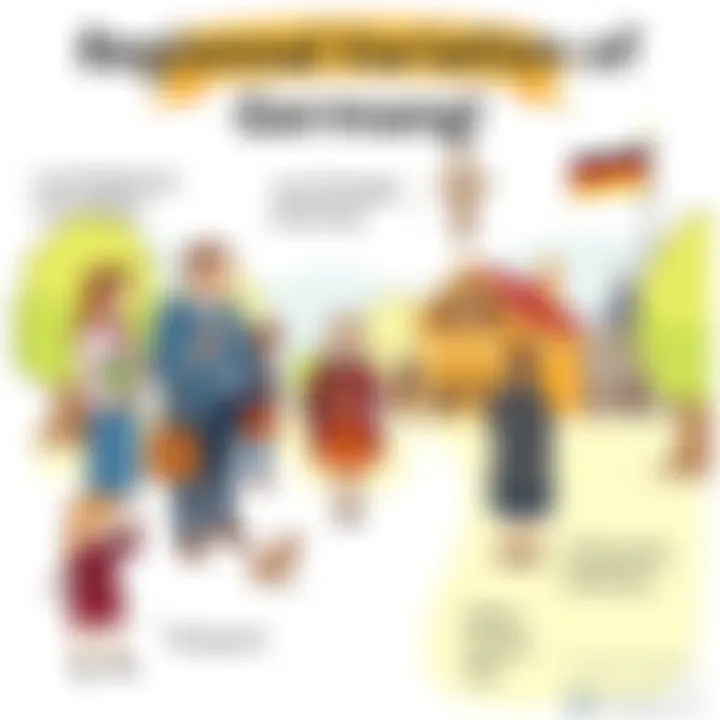
Social gatherings provide a fantastic opportunity for children to practice their greeting skills. Whether it's family reunions, birthday parties, or school events, identifying the right greeting can ease jitters. It’s crucial for children to recognize when to switch from formal to informal greetings. For example, saying "Guten Abend" at a formal dinner versus using "Hey" with friends.
A few things to keep in mind:
- Timing: Good timing can be just as important as the greeting itself. Prompt greetings upon arriving help integrate children into the group.
- Group Dynamics: Teach them the subtle differences in greetings when addressing a group, such as waving a hand while saying "Hallo zusammen!" (Hello everyone!).
- Cultural Nuances: Explain how greetings can vary depending on the context or the crowd. At a birthday party, a cheerful "Happy Birthday!" might accompany the greeting, whereas a formal event may necessitate a more subdued approach.
Encouraging children to observe how adults greet each other can also be a valuable learning experience. They learn not just the language, but the social cues that accompany greetings, which is an invaluable skill for life.
"Greetings may seem simple, but they carry the weight of our intentions and emotions."
In the process, they will not only gain language skills but also the cultural understanding that invites meaningful interactions. This foundation ultimately empowers young learners to navigate various social landscapes with ease.
For more insights on social dynamics and greetings, consider visiting Wikipedia on Social Interaction or Britannica's Page on Communication.
By placing emphasis on these practical scenarios, parents and educators can ensure that children develop robust greeting skills in German, preparing them for future interactions.
Common Mistakes to Avoid
When diving into the world of German greetings, it's imperative to recognize common pitfalls that learners may face. Understanding these mistakes helps prevent miscommunication and promotes cultural respect. A solid grasp of greetings is not just about language; it’s about connection and understanding. Let’s explore two critical areas where many stumble: the misusage of formal and informal greetings, and the regional misunderstandings that often arise.
Misusage of Formal and Informal Greetings
In German, the distinction between formal and informal greetings is crucial. It’s like walking a tightrope; one misstep could lead to awkwardness. Die Begrüßung (the greeting) sets the tone for a conversation, much like a handshake. Here are some common errors people make:
- Using informal greetings in formal situations: For instance, greeting a boss with "Hallo" instead of "Guten Tag" can come off as disrespectful.
- Assuming familiarity too quickly: Using first names or casual language with someone you've just met can lead to discomfort. In formal settings, it is best to defer to titles or last names.
It's beneficial to familiarize oneself with social cues and relationship dynamics. Observe how locals greet one another; this often reveals the appropriate level of formality to employ.
"Communication is not what is said, but rather how it is perceived."
Regional Misunderstandings
Germany's diverse regions offer a variety of greetings and expressions that can confuse newcomers. Understanding these subtleties is essential. Here are some notable considerations:
- Dialect Differences: In Bavaria, saying "Servus" can go a long way, but in northern Germany, it's less common. Understanding the local dialect can help you avoid sounding out of place.
- Cultural Nuances: In some areas, greetings may have accompanying gestures that vary from one location to another. For example, a simple nod may suffice in one region, while an enthusiastic wave might be expected in another.
To navigate these regional differences:
- Research Local Customs: Each region in Germany has its characteristics. Websites like Wikipedia provide valuable insights.
- Engage with Locals: If possible, interact with native speakers. They can offer firsthand examples of how greetings change by region.
- Be Observant: Pay attention to how people interact in various social situations to better understand appropriate greetings.
In summary, awareness of the formal and informal distinctions and regional peculiarities can elevate your communication skills and facilitate harmonious interactions when encountering German culture. By sidestepping these common mistakes, not only does one sound polite, but it also showcases respect for the language and its speakers.
Finale
Understanding how to greet others in German is akin to having a key that unlocks the door to meaningful interactions. This article has journeyed through various aspects of greetings, emphasizing their importance across cultural contexts and practical uses. Knowing when to use a formal or informal greeting can work wonders in making one feel included and welcomed, whether meeting new people or attending social gatherings.
Recap of Key Points
- Basic Greetings: Simple phrases like Hallo and Tschüss form the foundation of everyday interactions.
- Formal vs. Informal Usage: Grasping the nuances of greetings can facilitate smoother communication in diverse environments. Phrases such as Guten Morgen or Guten Abend are significant in formal settings.
- Regional Variations: Each region in Germany has its unique expressions. For example, the Bavarians have their Grüß Gott, which showcases local flavor.
- Cultural Significance: Greetings offer more than just a polite exchange; they reflect cultural values and body language is often equally important here.
- Teaching Strategies: For children, interactive games and repetition are crucial tools for learning how to navigate greetings correctly. Engaging them early on builds confidence for real-life practice.
Encouragement for Further Learning
As you or your children venture further into the world of the German language, don’t hesitate to explore beyond greetings. Each interaction provides an opportunity to learn new phrases, understand different dialects, or even engage with native speakers through various platforms.
Consider integrating resources such as online language exchange programs or local German-speaking communities to practice. Websites like Duolingo or BBC Languages might be good starting points. The journey of language learning is ongoing, and every new phrase learned is a step towards fluency.
Remember, learning a language, especially greetings, is about building relationships, understanding culture, and fostering respect for others. With the right approach, mastering these aspects will not only be beneficial but an enriching experience.
"Language is the road map of a culture. It tells you where its people come from and where they are going." - Rita Mae Brown
Embrace the adventure, and let greetings in German pave the way for connections that can last a lifetime.