Engaging Ways to Teach Children Hand Washing


Intro
In a world where hygiene is more crucial than ever, instilling good habits in children remains a priority for both parents and educators. Among the fundamental practices, hand washing stands out, not just as a routine but as a vital skill that can prevent illness. Teaching young ones about why and how to wash their hands properly can sometimes seem like a daunting task. However, by incorporating creative and innovative methods, the process can become both enjoyable and effective.
This article explores a variety of strategies designed to make learning about hand washing captivating. From interactive games to DIY projects and storytelling, there are numerous ways to engage children in a topic they might find mundane. A good mix of entertainment and education ensures that the information sticks, creating a lasting understanding of hygiene practices. Let's delve deeper into some approaches that not only teach but also inspire kids to adopt these essential habits.
Prelude to Teaching Hand Washing
Hand washing is more than just a simple task; it is a cornerstone of public health that can significantly reduce the spread of illnesses. In the realm of childhood education, teaching hand hygiene effectively can shape lifelong habits. This section dives into the importance and nuances of teaching children the vital practice of hand washing.
Understanding the Importance of Hand Hygiene
Hand hygiene is crucial for a variety of reasons. First and foremost, it protects children from illnesses such as colds, flu, and gastrointestinal infections. Consider how these diseases can spread rapidly in crowded places like schools or daycare centers. Regular hand washing can act as a barrier, minimizing the likelihood of those germs taking hold.
Studies suggest that proper hand hygiene can reduce respiratory infections by up to 21% in children. This statistic alone underscores the significance of instilling these habits at a young age. Additionally, developing good hygiene practices promotes empathy and responsibility, encouraging children to consider their impact on the well-being of peers.
Teaching this skill isn’t merely about the act; it’s about building a foundation for health awareness. The sooner children understand the connection between cleanliness and health, the better equipped they will be to make informed choices in their lives.
Recognizing the Challenges in Teaching Children
Navigating the realm of education—especially with young ones—brings its own set of challenges. When it comes to hand washing, one significant hurdle is a child’s attention span. Young kids often have a difficult time grasping the concept of germs as invisible enemies.
Moreover, the novelty of hand washing can sometimes wear off quickly. In a world filled with distractions, reminding them to wash their hands can feel like an uphill battle. The excitement of learning can be lost in the repetitiveness of the task.
Here's a list of common challenges faced:
- Short Attention Spans: Kids often lose focus, making a quick lesson ineffective.
- Misunderstanding of Germs: Children might find it hard to comprehend that germs affect their health since germs are not visible to the naked eye.
- Routine Fatigue: Something that starts as fun can quickly become monotonous.
To tackle these challenges, educators and parents may need to employ creative approaches to transform the act of hand washing into an engaging, interactive experience. By fostering a fun and educational atmosphere around the teaching of hand hygiene, the obstacles can be turned into opportunities for deeper learning.
Innovative Teaching Methods
In the realm of teaching hand washing to young children, innovative methods can make all the difference. Traditional approaches often fall flat, leaving children disengaged with the material. By harnessing creative teaching strategies, we aim not only to inform but also to inspire good hygiene habits that last a lifetime. Such methods can be particularly effective in maintaining a child's interest and enhancing their retention of vital information.
Each of these methods focuses on participation and engagement, which are crucial for effective learning. Children are naturally curious and learn best when they are active participants in their education. Therefore, innovative teaching methods could incorporate interactive storytelling and hands-on activities that relate directly to their lives, allowing them to connect the dots between hand washing and health.
Utilizing Interactive Storytelling
Interactive storytelling provides a dynamic space where children engage not just with the words but also the characters and situations presented. This approach transforms a mundane topic into something enchanting. A well-crafted narrative can involve characters facing situations that require proper hand hygiene, such as a fantasy journey where germs are villains attacking those who neglect washing hands.
Benefits of Interactive Storytelling:
- Captivation: Stories evoke emotions and draw listener interest, making them more likely to remember the lessons.
- Relatability: Children can see themselves in characters, providing a personal connection to the narrative.
- Visualization: By imagining scenarios, they better understand the consequences of poor hygiene through the lens of a story.
Furthermore, storytelling can take various forms. It can be live performances, shadow puppetry, or even digital narratives featuring animations. Each form has its own charm, but all share the essence of making learning fun and relatable. Educators and parents can also encourage children to weave their own stories surrounding hand hygiene, sparking creativity and involvement.
Incorporating Role-Playing Activities
Role-playing adds another layer to the learning process by allowing children to step into different shoes, be it doctors, superheroes, or even germs themselves. This method encourages them to enact scenarios where hand washing plays a pivotal role. For example, in a make-believe doctor’s office, one child can be the doctor reminding another to wash their hands before examining a patient.
Considerations for Role-Playing:
- Guidance: With proper supervision, children can be directed to ensure the activity remains focused on hygiene rather than straying into unrelated play.
- Creativity: Children thrive when they can invent new roles or scenarios; this applies their imagination while reinforcing concepts like cleanliness.
- Discussion: Following a role-play session, discussions can help process what was learned and encourage critical thinking.
Through these interactive practices, children gain hands-on experience that they’re more likely to remember and apply in their daily lives. It converts learning from a passive activity into one that is vibrant and memorable. Involving them actively not only educates about health but also instills a sense of responsibility regarding personal hygiene.
"Children learn as they play. Most importantly, in play, children learn how to learn." - O. Fred Donaldson
By embracing these innovative teaching methodologies, the process of instilling hygiene practices becomes effective and enjoyable. Whether through enchanting tales or lively role-play sessions, the routes to ensuring that children understand the importance of hand washing become vibrant pathways to lifelong healthy habits.
DIY Educational Activities
When it comes to instilling the habit of hand washing in children, DIY educational activities can make a world of difference. These hands-on experiences not only engage children but also empower them to learn through exploration. In this section, we'll delve into two practical activities: crafting hand washing charts and creating fun soap-making projects. Each of these endeavors serves a dual purpose: they teach important hygiene practices and foster creativity among children.
Crafting Hand Washing Charts
Crafting a hand washing chart is more than just a fun art activity; it’s an impactful visual aid that reinforces learning. A hand washing chart can serve as a daily reminder for children, illustrating the steps involved in effective hand washing. Here are some key benefits and tips for creating these charts:
- Visual Learning: Children often respond better to visual stimuli. A colorful chart with illustrations can help them remember the steps involved in properly washing their hands.
- Personal Touch: Allowing children to decorate their charts encourages ownership of the process. Give them materials like stickers, markers, or crayons so they can express their creativity.
- Interactive Element: Incorporate a star or checkmark system. Every time the child successfully washes their hands, they can mark their chart. This not only motivates them but also keeps track of their good hygiene habits.
To create a hand washing chart, you’ll need:
- A poster board or stiff paper
- Markers, crayons, or colored pencils
- Stickers or stamps for rewards
Steps to Follow:
- Start with a catchy title: something like "My Hand Washing Routine".
- Draw or paste images representing each step: wetting hands, applying soap, scrubbing, rinsing, and drying.
- Decorate the chart with colors and stickers.
- Display it in an easily visible place, like the bathroom or kitchen.
"Visual reminders are key; they keep good habits at the forefront of a child's mind."
By crafting these charts together, caregivers and children can discuss why each step is important, deepening their understanding along the way.
Creating Fun Soap-Making Projects
Soap-making is not only an engaging DIY activity; it also introduces children to the science of hygiene while providing a sensory experience. This hands-on project can solidify their understanding of germs and the importance of cleanliness. Here’s a look at the essentials for this activity:
- Understanding Ingredients: Explain the components of soap and why each is used. For example, glycerin makes soap moisturizing, while essential oils add scent and provide calming effects.
- Creativity and Personalization: Children can choose scents and colors, making the soap personal to them. This can boost their enthusiasm for washing their hands, as they might feel more inclined to use something they helped create.
Materials Needed:
- Glycerin soap base
- Molds (silicone molds work well)
- Essential oils for fragrance
- Colorants (natural or soap-safe)
Steps to Follow:


- Melt the glycerin soap base in a microwave or double boiler, ensuring it's fully liquefied.
- Once melted, add a few drops of essential oil and colorant, stirring well.
- Pour the mixture into the molds and let them set until solid.
- Once cooled, pop the soaps out of the molds. Children can package them creatively, making them gifts for family or friends.
By engaging in these DIY soap-making projects, children not only learn about the importance of washing their hands but also handle things with their own two hands, which is an invaluable way to instill good habits that last a lifetime.
Visual Learning Tools
Visual learning tools are instrumental in teaching children the importance of hand washing. Given that young minds often absorb information differently than adults, these tools can create engaging avenues for understanding hygiene practices. Not only do they provide visual stimuli that can make learning more memorable, but they also cater to various learning styles, particularly for those who respond well to images and illustrations.
Utilizing visual aids, such as posters and animated videos, serves a dual purpose: first, they capture the attention of young learners; second, they present complex information in a simplified, relatable manner. This is especially crucial when discussing somewhat abstract concepts like germs and hygiene.
Utilizing Illustrative Posters
Illustrative posters are a powerful teaching aid when it comes to instilling hand hygiene practices in children. These colorful and engaging displays can be hung in areas where children will see them regularly, such as classrooms, washrooms, or play areas. By showcasing vibrant images and key points, posters can serve as a constant reminder of the importance of washing hands.
Benefits of Using Posters:
- Instant Visual Reference: Children can quickly recall the hand washing steps indicated on the poster whenever they approach the wash basin.
- Engagement and Interaction: Teachers can ask open-ended questions about the poster, encouraging children to discuss what they see, which further reinforces their learning.
- Reinforcement of Concepts: Posters can highlight important facts, such as how long to wash hands and when it’s necessary to do so, reminding kids in a fun and colorful way.
Considerations for effective use of posters include ensuring that the language used is age-appropriate and the visuals are relatable to the children's experiences. Here, a poster capturing common scenarios for hand washing—like after playing or before meals—can resonate with what kids encounter in their daily lives.
Employing Animated Videos
Animated videos can further enhance children's understanding of hand washing. Unlike static visuals, these videos can depict dynamic actions in an engaging format. They often weave fun characters and stories into the mix, making the message resonate on a deeper emotional level.
Advantages of Animated Videos:
- Attention-Grabbing: Animation can easily hold the attention of young viewers, as colorful graphics and catchy soundtracks engage them in ways that static images might not.
- Edutainment Elements: Infusing educational content with storytelling and humor can help kids enjoy the learning process. An animated character could be shown battling germs, making the act of washing hands feel like a heroic adventure.
- Diverse Learning Approach: Videos can accommodate auditory learners, as they can listen to explanations alongside visual demonstrations, thus enriching their understanding of the topic.
When implementing animated videos, consider the length—short enough to retain attention but long enough to convey necessary information. Incorporating humor and relatable characters can make these videos all the more engaging.
"Visual tools create a bridge between abstract concepts and tangible actions, fostering an environment where children can learn effectively about hygiene practices."
Making Hand Washing Routine
Developing a consistent routine for hand washing is not just about cleanliness; it’s about instilling a lifelong habit in children that can significantly reduce the spread of germs. Making hand washing a routine supports children in internalizing the importance of hygiene in a way that feels natural and unforced, turning what could be a mundane task into a fundamental aspect of their daily life.
Setting a Daily Schedule
Creating a daily schedule for hand washing is akin to setting the clockwork of a well-oiled machine. It provides children with a clear understanding of when they should wash their hands, such as before meals, after playing outside, or after using the restroom. A visible chart on the wall, perhaps decorated with fun stickers or drawings, can serve as a constant reminder. This not only aids memory but also makes the practice appear more engaging. Additionally, having a set timetable can lead to fewer arguments and reminders from parents.
- Morning routine: After waking up, children can wash their hands as part of brushing their teeth and getting dressed for school.
- Pre-meal washing: Making it a rule to wash hands before every meal can prevent a lot of unwanted germs from being ingested.
- Pre-and post-playtime: Encouraging hand washing before and after outdoor play is crucial as children are often in contact with various surfaces.
A well-defined schedule helps set expectations. When kids recognize that washing hands happens before and after certain activities, it becomes second nature. The more it is practiced, the more instinctual it becomes.
Encouraging Consistent Practices
Establishing consistency in hand washing is equally important. This brings the advantages of creating a strong link between activities and hygiene. For example, singing a catchy hand washing song for the duration of 20-30 seconds can make the activity enjoyable. This transforms a basic chore into an engaging experience.
- Positive Reinforcement: Implementing a simple reward system, like stickers for consistent hand washing, serves to motivate children. Each sticker can bring kids closer to a larger goal, such as selecting a fun activity or treat after reaching a milestone.
- Modeling Behavior: Children often learn by watching their parents and caregivers. When adults show consistent hand washing practices, kids are likely to mimic those behaviors. It’s all about leading by example.
- Creating Reminders: Sticky notes around the house or hand washing reminders on their devices can provide gentle nudges on the importance of following through.
As children become more accustomed to these routines, they will start to understand that hand washing is not merely a task, but a crucial element for their health. Encourage them to think of it as part of their personal care, just like brushing their hair or picking out clothes. This approach not only nurtures the habit of washing hands but embeds the concept of hygiene deeply into a child’s everyday activities.
"Establishing routines helps cement the significance of practices like hand washing in a child's psyche, making it an intrinsic part of their daily habits."
For more resources on child hygiene and health, check out KidsHealth, CDC's Handwashing Guide, or visit National Institutes of Health.
By establishing a routine and building consistency, you're gifting children a lasting framework for health that has implications far beyond just hand washing.
Cultural Practices and Hand Hygiene
Understanding the intricate dance between cultural practices and hygiene can shed light on effective strategies for teaching hand washing. In every community, there are unique traditions and rituals that shape the way hygiene is perceived and practiced. These cultural nuances are not just decorative flourishes; they can serve as a powerful foundation for instilling crucial hand hygiene habits in children. When children are taught within the context of their cultural heritage, the health messages resonate more deeply, thereby promoting not just compliance but genuine understanding and appreciation of hygiene.
Exploring Traditions Surrounding Hygiene
Hygiene customs often vary widely from one culture to another, which can make teaching hygiene both intriguing and challenging. For instance, in some cultures, hand washing before meals is almost a sacred ritual, emphasized with specific prayers or songs, while in others, it may be less prioritized. Exploring these rituals can be engaging for children. By introducing them to local customs, educators can seamlessly integrate the importance of hand hygiene into their everyday experiences.
There are several ways to bring these cultural practices into the classroom:
- Storytelling Sessions: Sharing folk tales or stories from various cultures about the significance of cleanliness can spark interest. For example, many African tribes have intricate dances that celebrate washing hands before gatherings, providing an opportunity for children to reenact these stories in a fun and memorable way.
- Interactive Art Activities: Creating art projects that depict local hygiene practices helps children visualize and appreciate their heritage. For instance, making posters about traditional hand washing methods can cultivate pride in their own cultures while educating about hygiene.
- Incorporating Songs and Chants: Many cultures have songs that relate to cleanliness. Involving music can be particularly impactful for younger audiences, making the lesson engaging while reinforcing the message of hygiene.
By tapping into these culturally rich resources, educators can bridge the gap between global health standards and local practices.
Learning from Global Perspectives
As each culture approaches hygiene in its unique way, there’s much to be learned from global perspectives. By examining how various societies promote hand washing, educators can glean insights that might translate well into their own practices. For instance, some countries use creative campaigns featuring beloved cartoon characters that resonate with children, making the concept of hand washing both familiar and enjoyable.
- Programs from the World Health Organization (WHO): The WHO emphasizes not just hygiene at a practical level but also at a cultural one. Many of their programs are designed to be culturally sensitive, respecting local customs while encouraging good hygiene practices. Learning from their approaches can provide valuable frameworks for curriculum development.
- Community Health Initiatives: Observing how different communities utilize local leaders or celebrities to advocate for hand washing can inspire similar strategies. For example, when local figures demonstrate hand hygiene, children often mirror their behavior more readily.
- Exchanges and Pen Pals: Facilitating communication between classrooms in different parts of the world can provide a firsthand perspective on how hand washing is viewed elsewhere. Students can learn invaluable lessons by sharing their practices and gaining insights from others.
"Cultural practices are the threads that bind communities together, and through understanding them, we can weave a narrative that celebrates both health and heritage."
Parental Involvement in Learning
Involving parents in the learning process of hand hygiene can significantly enhance a child's understanding and retention of safe practices. Parents are the front-liners in shaping behaviors, and when they actively participate, it amplifies the lessons taught in educational settings. This not only reinforces what children learn at school but also instills a sense of responsibility and awareness at home. The home environment plays a pivotal role in solidifying these hygiene habits. Furthermore, when parents are engaged, children feel supported, making them more likely to adopt and maintain good habits.
Strategies for Engaging Parents
Engaging parents in their children's learning about hand washing requires a few well-thought-out strategies:
- Workshops and Informational Sessions: Holding workshops for parents can bridge the gap between school and home. These sessions provide parents with the tools and knowledge to implement hand hygiene practices effectively.
- Communication Tools: Utilizing newsletters, emails, or dedicated school apps can keep parents informed about what their children are learning. Regular updates and tips can motivate parents to participate actively.
- Resource Kits: Providing kits that include visual aids, posters, or even sample soaps can empower parents to teach their children through fun activities. By having tangible resources, parents can demonstrate washing techniques clearly.
- Incorporating Challenges: Friendly competitions such as 'who can wash hands most often this month' can make hygiene education a family affair. It builds teamwork and enables children to learn from their parents.
- Feedback Loops: Create avenues for parents to share their observations on their child's learning progress at home. This can help educators adjust their methods for better engagement.
"When parents take part in their children's learning, the effects ripple across for years to come."
Creating a Home Environment for Learning
Crafting a home environment conducive to promoting hand washing can be simple yet effective. Here’s how:
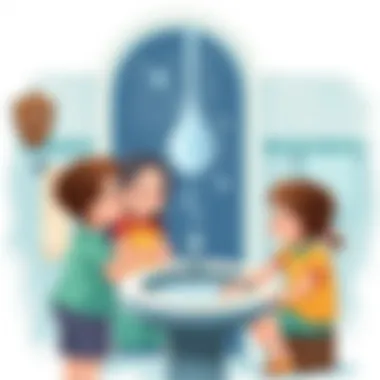
- Designate Hand Washing Stations: Set up visible, child-friendly stations near areas of high activity such as kitchens and bathrooms. Having soap, fun-colored towels, and step stools can make washing hands inviting.
- Routine Integration: Encourage hand washing during standard routines, such as before meals or after playing outside. This normalization helps children see it as a necessary part of their day instead of a chore.
- Positive Reinforcement: Celebrate small achievements, like consistently washing hands at proper times. Stickers or stamps on a chart can boost their motivation.
- Share Stories and Experiences: Parents can share tales about the importance of cleanliness, discussing situations where hygiene made a difference. Relating personal experiences can help children connect emotionally to the practice.
- Educate Through Play: Use puppets or dolls to act out hand washing. This method allows children to mimic actions in a playful context, reinforcing what they learn in a fun manner.
In essence, the collaboration between educators and parents in fostering an environment that encourages proper hand hygiene will not only educate children but also establish a lifelong habit essential for their well-being.
Using Technology to Enhance Learning
In today’s digital age, integrating technology into educational practices has become pivotal. When it comes to instilling the habit of effective hand washing, technology offers unique tools and methodologies that can captivate children. Not only does it facilitate interactive learning, but it also promotes self-guidance, allowing children to take charge of their hygiene education. The utilization of varied technological resources can break down barriers that traditionally hinder understanding among younger audiences.
One significant advantage of using technology in teaching hand washing is the ability to create engaging content that appeals to the digital natives of this generation. Children often have a natural affinity for screens, so by designing educational materials that incorporate elements such as apps and interactive sessions, educators can spark interest that is often challenging to achieve through conventional methods.
Educational Apps for Hand Hygiene
Educational apps focusing on hand hygiene serve as an effective resource for both kids and parents. These applications can turn the mundane act of washing hands into an engaging experience. For example, an app might gamify the hand washing process, offering rewards or points after completing tasks like watching instructional videos or taking quizzes on hygiene practices.
Some notable features of these apps often include:
- Animated demonstrations: These give kids a visual representation of proper hand washing techniques, reinforcing what they need to know.
- Interactive games and quizzes: Children can learn through play, answering questions about germs and hygiene facts, which helps reinforce the information.
- Reminders and alerts: These can encourage kids to wash their hands at given intervals, like before meals or after outdoor play.
Using apps transforms learning into a hands-on experience, letting children explore while having fun. Parents can easily monitor progress, ensuring that the lessons about hygiene stay top of mind.
Interactive Online Workshops
Online workshops present yet another innovative method for teaching hand washing. These sessions can cater to kids from diverse backgrounds, making hygiene education accessible no matter the location. Conducting these workshops allows for a dynamic exchange of ideas and practices.
Interactive online workshops often contain:
- Live demonstrations: Facilitators can showcase hand washing techniques in a real-time setting, allowing participants to ask questions and clarify any doubts immediately.
- Group discussions: Engaging children in dialogues about the importance of hygiene can foster a deeper understanding of germs and health.
- Creative challenges: Participants might be encouraged to come up with their own songs or dance moves related to hand washing, adding a personal touch to what they’ve learned.
"Incorporating technology in health education is not just a trend, it is a valuable approach to making critical information accessible and engaging for children."
For further exploration of technology in education, you can check resources at: Wikipedia and Britannica.
Assessing Understanding and Retention
Assessing understanding and retention in the context of teaching hand washing is critical for ensuring that children not only grasp the importance of the practice but also incorporate it into their daily lives. When children engage in meaningful learning activities, it is vital for instructors and caregivers to evaluate how well they’ve absorbed that knowledge. Understanding these elements opens up pathways to effective teaching and long-lasting hygiene habits. By examining how children respond to lessons about hand hygiene, educators can tailor their approach to meet the learners' needs more effectively.
Conducting Fun Quizzes
One creative approach to gauging children's understanding is through interactive quizzes. These quizzes need not be dull; instead, they can be transformed into lively challenges that piques children's interest. Use multimedia tools, like Kahoot or Quizizz, to create engaging formats that allow children to answer specific questions about hand washing. Here are some key considerations:
- Keep It Light: Avoid making quizzes feel like chores. Frame questions in a way that feels playful. For example, instead of simply asking about proper techniques, ask, “What superhero would wash their hands every time after using the bathroom to keep germs away?”
- Multi-Format Questions: Combine different types of questions, such as multiple-choice, true/false, and puzzles. This keeps children on their toes and can help them remember facts better.
- Feedback Is Key: Provide feedback right after each question. This immediate reinforcement maintains engagement and clarifies misunderstandings while the information is still fresh in their minds.
Ultimately, the goal of these quizzes is to make learning about hand hygiene enjoyable while effectively assessing what children know.
Observing Hand Washing Techniques
Observation is another pillar in assessing understanding when it comes to hand hygiene. Watching how children perform hand washing steps provides insights that quizzes alone cannot offer. Here are practical steps to consider:
- Create an Observation Checklist: Detail the key steps of hand washing, such as wetting hands, applying soap, and scrubbing for at least 20 seconds. Have this checklist handy during the assessments.
- Use a Safe Environment: Ensure that the observation occurs in a comfortable setting, like a classroom or home, to reduce stress that may impede performance.
- Engage in Gentle Critique: When observing, take notes and offer encouragement. Instead of solely pointing out mistakes, highlight what they did well. This fosters a supportive atmosphere conducive to learning.
“Learning hygiene isn’t just about following steps; it’s about embracing the habit.”
Hand washing may seem trivial, but it's an essential life skill that requires constant reinforcement. By effectively assessing children’s understanding and retention through quizzes and observations, caregivers can fortify their knowledge and skills in hand hygiene, equipping them for healthier days ahead.
Encouraging Positive Reinforcement
Encouraging positive reinforcement plays a significant role in teaching children about hand washing. It plants the seeds for good hygiene habits and fosters an environment of motivation. When children are rewarded for correct practices, they are more likely to remember and repeat these actions in the future. The act of acknowledging their efforts reinforces their behavior and connects them with the importance of hygiene.
Two effective mechanisms to apply positive reinforcement include implementing reward systems and celebrating milestones. These methods are not just about stickers or treats; they create a comprehensive framework where children learn the long-term benefits of hand hygiene while enjoying the learning journey itself.
Implementing Reward Systems
Establishing a reward system is like giving children a treasure map, leading them to rewards while navigating the journey of proper hand washing. Simple incentives can be used, such as earning points for washing hands correctly — these points can then be exchanged for prizes or privileges. For example, a child can receive a star on a chart for each successful hand wash before meals or after using the restroom. When they accumulate a certain number of stars, they can select a reward, such as additional storytime or extra playtime.
However, it’s essential to match the reward to the child’s interests. For younger kids, toys or stickers may resonate well, while older children might appreciate being able to choose a fun activity, like an outing to a local park or a movie night. This personalization helps them feel a connection between their actions and the rewards.
Celebrating Milestones
The concept of celebrating milestones acknowledges children’s progress, making the process delightful. It’s important to mark these achievements, no matter how small, to reinforce their importance in the learning journey. For instance, if a child has successfully washed their hands without assistance for a week, the family could throw a mini-celebration out of it. Something as simple as decorating a dedicated "Hand Washing Champion" board in the kitchen can be a powerful visual reminder of their accomplishments.
Further, sharing these milestones with family and friends can enhance the child's sense of pride and community recognition. Perhaps through social media or a simple family gathering, the child’s actions are celebrated, underscoring how hygiene fits into society.
"Recognizing the small victories in hygiene education not only motivates children but also helps in building healthy habits that last a lifetime."
The Role of Educators in Teaching Hygiene
Understanding the pivotal role educators play in teaching hygiene, especially hand washing, can’t be overstated. Educators are often on the frontlines, facilitating not just academic learning, but also embedding essential life skills in their students. Teaching hand washing to children helps them cultivate a habit crucial for their health and well-being, particularly in an age where hygiene awareness has surged. Educators can create environments that foster a culture of cleanliness, ensuring children understand the importance of this vital practice.
Developing Teacher Training Programs
Educators require proper training to effectively communicate the importance of hand hygiene. This isn't merely about showing kids how to wash their hands; it's about instilling the right mindset. Developing robust teacher training programs can enhance their ability to engage students meaningfully. Training should cover the science behind germs, effective communication techniques, and innovative teaching methods. A program that includes practical demonstrations can equip educators with the tools needed to address different learning styles.
"Education is the most powerful weapon which you can use to change the world." - Nelson Mandela
To better prepare educators, training can include:
- Workshops on interactive methods, like storytelling and role-playing.
- Resource packs that feature visual aids and DIY activities.
- Peer discussions to share best practices and effective strategies.
When teachers take part in comprehensive training, they become ambassadors of hygiene, spreading knowledge beyond the classroom walls.
Empowering Educators with Resources
Access to the right resources can make all the difference for educators in teaching hygiene. Schools should provide them with materials that can aid their instruction, such as:
- Visual Aids: Posters and charts that illustrate the hand washing process step-by-step. This can help young learners visualize the action they need to take.
- Digital Resources: Websites like CDC and WHO offer up-to-date information and guidelines on hand hygiene, often featuring child-friendly content.
- Activity Kits: Supplies for DIY activities that can engage children in learning while they create materials related to hygiene.
An educator armed with the right resources is in a prime position to inspire change. Providing these essentials not only fosters confidence but also encourages educators to tranform learning about hygiene into a fun, memorable experience.
In summary, educators hold tremendous influence over children’s views on hygiene. By investing in training and providing essential resources, we empower them to reinforce hygienic practices that can lead to healthier futures.
Creating a Community Approach
Creating a community approach to teaching hand washing is pivotal in enhancing the understanding and practice of hygiene among children. It’s one thing for an individual child to learn how to wash their hands properly, but when the whole community takes part, the message becomes much stronger. This collective effort ensures that children not only learn about hand hygiene but also see it as a value embraced by those around them. Here’s why this approach is significant.
First and foremost, involving local health authorities in these initiatives can amplify the message. Health professionals have expert knowledge and a trusted voice in matters of hygiene. When children see familiar faces from their community promoting hand washing, it adds credibility to the message. Local collaboration can provide resources like pamphlets, workshops, or even community health fairs. These activities facilitate open discussions, allowing parents and children to ask questions and learn together in a supportive environment.
Engaging Local Health Authorities
Engaging local health authorities is a vital component of a successful community approach. This can include partnerships with schools, hospitals, and public health organizations that have a vested interest in children's health. When local health experts are involved, they bring educational materials that are both accurate and relevant. This means children get to learn from the experts, which can make the information more relatable and trustworthy.
Here’s how to effectively engage local health authorities:
- Reach Out: Start by contacting local health departments or child health organizations. Invite them to participate in hand-washing campaigns.
- Collaborate on Events: Work together to organize community events that emphasize hand hygiene, such as health fairs or informational booths.
- Incorporate Their Expertise: Use health professionals to lead workshops at schools or childcare centers, providing valuable lessons.
Collaborative Events for Awareness
Holding collaborative events is an effective way to spread awareness about hand washing. When schools partner with local health entities, workshops, fairs, and hands-on activities become avenues for learning. These collective engagements not only inform but also build a sense of community commitment to hygiene.
Some event ideas could include:
- Hand Washing Demonstrations: Set up stations at community events where children can practice proper hand washing with supervision.
- Public Health Days: Organize a day dedicated to health awareness, encompassing various activities focusing on hygiene, including hand washing booths.
- Community Competitions: Create competitions where kids can show their understanding of hand hygiene; it could be about the best hand washing song, dance, or artwork.
Social media also plays a role in spreading the word about these events. Creating posts about the importance of hand washing, upcoming community activities, or sharing success stories can help maximize outreach efforts. Ensuring that the whole community is on board with the practice of hand washing cultivates a cultural norm, subsequently lowering the spread of infections.
"When communities unite for a common cause, change is not just possible; it becomes inevitable."
Evaluating the Effectiveness of Teaching Methods
Evaluating the effectiveness of teaching methods in the context of hand washing isn’t just a good idea; it’s fundamental to ensure that children grasp the importance of good hygiene. If the methods used to teach this critical habit are ineffective, the benefits of teaching hand washing can go right down the drain, so to speak. To address this, educators and parents must embrace a systematic approach to evaluation. This includes analyzing children's feedback, observing their behaviors, and adjusting techniques based on their responses.
Analyzing Feedback from Children
Gathering feedback from kids about their learning experiences can be like striking gold in a mine. Kids are candid and honest about what they find engaging and what bores them. One effective way to collect their thoughts is through fun, casual conversations or even through playful surveys with smiley faces to express their thoughts.
Here are ways to analyze feedback from children:
- Conduct informal discussions: Asking open-ended questions post-activity lets you understand their feelings about hand washing education. You might ask, "What did you enjoy most about today's lesson?" or "What part was confusing?"
- Utilize smiley face surveys: Kids can often express themselves better through visuals. A simple sheet with smiley faces for different activities can provide clear insight into what resonates with them.
- Observe action: Sometimes, actions speak louder than words. Watching how eagerly a child rushes to wash their hands after engaging activities can tell you a lot about the lasting impression your teachings have made.
- Incorporate games for evaluation: You could create a fun quiz or a game that indirectly tests their knowledge about hand washing. Make it competitive and light-hearted, which may spur kids to show what they've learned.
Feedback isn't a mere checkpoint—it's a compass guiding the teaching process. By listening closely to children’s voices and their responses, educators can unveil specifics about what aspects of hand washing education stick and what needs a rethink.
Adjusting Techniques Based on Outcomes
Adjusting techniques in light of feedback is crucial. It demonstrates a commitment to the child’s learning experience. If the methods employed have not produced the desired results, it’s time to pivot and try a different approach. Here are some strategies:
- Tailor the content: If a particular aspect of the lesson seems to fly over the kids' heads, simplify the language used or relate it to their everyday experiences—like how hand washing keeps away the invisible monsters that they can’t see.
- Change the activities: If a specific teaching method isn’t capturing their attention, don’t hesitate to mix it up. For example, if role-playing didn’t get the engagement you were hoping for, why not try interactive videos or animated stories?
- Extend the discussions: If children seem unsure about when and why to wash hands, spend more time on those subjects. Using scenarios from their daily lives where hand washing plays a role can help make the lessons more relatable.
- Test new strategies: Don’t be afraid to experiment with new techniques. For instance, if hands-on activities worked well in the past, consider incorporating a science experiment showing how germs spread with the help of glitter or a colored powder.
The outcomes and analyses from these methods encapsulate a cycle of learning—evaluate, adjust, and try again. This cyclical process not only enhances the children’s comprehension of hygiene but solidifies good habits that can last a lifetime. By consistently adapting approaches based on real feedback and observable outcomes, educators ensure that they are leaving no stone unturned in nurturing healthy habits.
"Feedback is the breakfast of champions." - Ken Blanchard
Addressing Common Misconceptions
Understanding and addressing misconceptions about hand hygiene can make a world of difference in how children perceive and practice these essential habits. Many children, influenced by hearsay and partial information, form deeply-rooted beliefs about germs and sanitation that are often far from reality. Engaging with these misconceptions not only clarifies misunderstandings but also builds a stronger foundation for good hygiene practices. When children understand the truth behind germs and the efficacy of sanitation measures like washing hands, they’re more likely to adopt these habits wholeheartedly.
Clarifying Myths About Germs
It's not uncommon for kids to hold on to fascinating myths about germs. One prevalent misconception is that germs are usually easy to see. Kids might think that if they can't see the problem, then there's no need for worry. In truth, germs are microscopic — invisible to the naked eye — and can lurk in the most unexpected places.
"An ounce of prevention is worth a pound of cure."
To dispel these myths, educators can create engaging discussions that focus on familiar scenarios, like playing outside or interacting with pets, where germs might be prevalent. For instance:
- Dirt on hands: Kids might think if they can't see the dirt, their hands are clean. Use everyday objects in classrooms, like a clean apple vs. a dirty shoe, to demonstrate how unseen pollutants can spread.
- Sharing drinks: When sharing a drink, children might not realize that germs can transfer, leading to illness. Discuss the idea that even a sip can share more than just the beverage.
Using relatable examples helps clarify these myths and equips children with a better understanding of why washing hands is crucial in their daily routines.
Understanding the Science of Hand Sanitizers
Hand sanitizers are another area where misconceptions run rampant. Children might think that hand sanitizer is a magic potion that eliminates all germs, leading them to believe that washing hands with soap and water isn’t necessary. As simple as it sounds, understanding the science behind these products is fundamental.
Here’s what’s important to share with kids:
- Alcohol content: Many hand sanitizers contain alcohol, which is effective in killing many germs. However, it’s important to note that sanitizers work best on lightly soiled hands and may not remove all types of germs or dirt.
- Soap and water vs. sanitizer: Emphasize that washing hands with soap and running water physically removes dirt and germs, while sanitizers are most effective when soap and water aren’t available.
- Effective use: Teach children how much sanitizer to use and how to rub their hands together effectively to ensure maximum germ elimination.
To educate children, consider using demonstrations with soap and water versus sanitizer. Set up an experiment where they can see the effectiveness of each method by using glitter or food coloring as a stand-in for germs.
Thus, addressing these common misconceptions helps children form a clearer, factual basis about hygiene practices, leading to healthier habits that can last a lifetime. For those wanting to dive deeper, check out resources like CDC's Handwashing Guidelines and WHO's Hand Hygiene.
Epilogue: The Future of Hygienic Practices
In this digital age, where information flows faster than a river in spring, the importance of teaching hygiene practices like hand washing cannot be overstated. As we reflect on the journey through various creative strategies, it becomes clear that these methods are not merely educational techniques; they are crucial life skills that have far-reaching implications for public health. By engaging children in the learning process, we not only impart knowledge but also instill lifelong habits that promote health and wellbeing.
Adapting to Ongoing Health Challenges
Every generation faces its own unique health challenges, and the recent global events have underscored the necessity for effective hygiene education. Children today are growing up in a world with heightened awareness of infectious diseases, and it is imperative that our teaching methods evolve as well.
Most importantly, we need to meet kids where they are. This includes using technology and relatable content to make learning about hygiene both relevant and practical. Here are some considerations for effective adaptation:
- Tailored Content: Create lesson plans that reflect current health trends, such as the importance of hand washing during flu seasons and pandemics. This can help make their learning experience feel immediate and pertinent.
- Dynamic Resources: Employ online platforms like educational games or apps that reinforce hygiene through playful interaction. By integrating these methods, we align health education with the interests of today’s youth.
- Community Engagement: Collaborate with local health authorities to ensure that the messages being communicated to children are consistent and based on the latest science. This can also offer opportunities for community events that bring families together to learn about health practices in an engaging way.
- Feedback Mechanisms: Develop ways to gain insights from children and parents. Surveys or discussion groups can reveal what methods are working and what can be improved.
"Teaching hygiene isn't just about washing hands; it's about building a culture of health that sticks."
In future classrooms, hygiene lessons should be expanded beyond mere information delivery to interactive experiences that resonate with young learners. By fostering positive associations with hygiene practices, we ensure that hand washing becomes second nature.
The future hinges on our ability to innovate and adapt, recognizing that the means of teaching must evolve as quickly as the challenges we face. When we cultivate a safe environment for learning about hygiene, we are not just preparing children for the next health challenge; we are equipping them with the tools to navigate a world where their health and wellbeing come first.